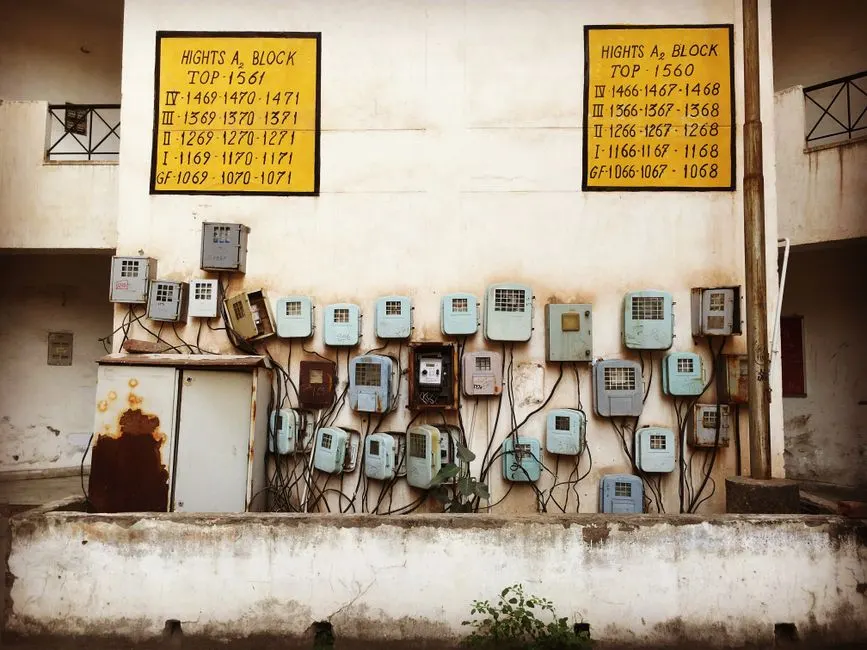
You prevent electrical fires in older Hueneme Village homes by finding the weak points before they fail: aging knob-and-tube or aluminum wiring, overloaded circuits, and panels that were never sized for modern appliances. The fix is a room-by-room inspection, a few targeted upgrades, and knowing which warning signs mean shut it off now. This guide walks through the specific hazards we see in Hueneme Village houses and the checklist we use to keep them from turning into a fire call.
Why older Hueneme Village homes are at higher risk
Hueneme Village contains some of the oldest housing stock in PORT HUENEME CBC BASE, California, and much of it was wired for a world that no longer exists. A 1940s cottage was built for a refrigerator, a radio, and a few light bulbs. Today that same 60-amp service runs a microwave, a space heater, a laptop, a TV, and a phone charger on the same circuit. The wiring did not get worse. The demand got bigger.
We see this constantly when we are called out for Fire Damage Restoration in Hueneme Village. The fire almost always starts at a connection point, not in the middle of a wire run. Insulation dries out and cracks. Outlets loosen behind the wall. A splice that was taped in 1978 is now a small resistance heater every time you plug in a vacuum.
Coastal air adds another layer. Salt air and seasonal humidity corrode the brass screws and stab-in connections inside outlets and switches. Corrosion raises resistance, resistance makes heat, and heat inside a wall cavity has nowhere to go. That is why an outlet that feels warm to the touch is never a small thing in this neighborhood.
What causes electrical fires in older homes in PORT HUENEME CBC BASE California
Electrical fires in older homes in PORT HUENEME CBC BASE California most often start at loose connections, overloaded circuits, and deteriorated wiring insulation. The U.S. Fire Administration attributes roughly 24,000 home electrical fires a year to those three categories, and older housing stock carries the highest share. Here is what that looks like in practice.
- Aluminum branch wiring. Common in homes built or rewired between the late 1960s and mid-1970s. Aluminum expands and contracts more than copper, so connections loosen over time and arc.
- Knob-and-tube wiring. Still buried in some Hueneme Village attics. The cloth insulation becomes brittle, and the system has no ground conductor.
- Back-stabbed outlets. The wire is pushed into a spring clip instead of screwed to the terminal. Those clips lose tension after a few decades.
- Overloaded circuits. One 15-amp circuit feeding the kitchen, the living room, and the garage freezer.
- Wrong-size breakers. A 20-amp breaker on 14-gauge wire lets the wire overheat before the breaker ever trips.
Extension cords are the other quiet culprit. A cord run under a rug or behind a couch for years gets stepped on, pinched, and heated. When we handle Electrical Fire Cleanup in PORT HUENEME CBC BASE, California, the origin is frequently a cord or a power strip, not the permanent wiring.
Your electrical fire prevention checklist for PORT HUENEME CBC BASE
This electrical fire prevention checklist for PORT HUENEME CBC BASE is the same one we walk through with homeowners before we ever talk about repairs. Work through it once a year, and again any time you add a major appliance.
- Test every GFCI and AFCI. Press the test button monthly. GFCIs are required in kitchens, bathrooms, garages, and outdoors; AFCIs protect against arc faults and belong on bedroom and living-area circuits.
- Feel the outlet plates. Warm or discolored plates mean stop using that outlet and call an electrician.
- Count what is on each circuit. If a space heater and a microwave share a circuit, move one.
- Replace two-prong outlets properly. A three-prong outlet with no ground wire is a shock and fire hazard, not an upgrade.
- Check the panel for rust, scorching, or a burning smell. Any of those means call today.
- Look at the service amperage. A 60-amp or 100-amp service in a house with central air and an EV charger is running past its limit.
- Keep furniture off cords. Never run a cord under a rug, through a doorway, or behind a baseboard heater.
- Replace damaged cords immediately. A cord with a taped repair is a temporary fix that becomes permanent until it fails.
If you are already dealing with smoke or charring, stop the checklist and get people out. Our Emergency Fire Damage Restoration in PORT HUENEME CBC BASE, California team handles the cleanup once the fire department clears the scene.
Electrical panel safety in older Hueneme Village homes
Electrical panel safety in older Hueneme Village homes starts with knowing what brand and amperage you have. Federal Pacific Stab-Lok and Zinsco panels are common in mid-century California housing and are known to fail to trip under overload. If your panel says either name, have a licensed electrician evaluate it before you add any load.
Look for these panel red flags:
- Breakers that trip repeatedly or never trip at all.
- A burning smell or scorch marks around the breakers.
- Double-tapped breakers, where two wires share one terminal.
- Rust or moisture inside the panel enclosure.
- No main disconnect, or a fuse box instead of breakers.
A panel upgrade to 200 amps typically runs $2,000 to $4,000 in this part of Ventura County in 2026, depending on whether the service mast and meter need replacement. That is real money, but it is a fraction of what a fire costs. We have written Structural Repair After Fire in PORT HUENEME CBC BASE, California estimates that started at five figures because a $600 panel job was deferred.
DIY electrical fire prevention tips PORT HUENEME CBC BASE California
These DIY electrical fire prevention tips PORT HUENEME CBC BASE California homeowners can safely handle cover the low-voltage, no-tools side of the problem. Anything that requires opening a panel or pulling a device out of the wall belongs to a licensed electrician.
- Replace plastic outlet extenders with proper box extenders, or have the box replaced.
- Use power strips with a built-in breaker and a 15-amp rating, and never daisy-chain two strips together.
- Keep space heaters at least 3 feet from curtains, bedding, and furniture, and plug them directly into a wall outlet.
- Vacuum the lint behind the dryer and the coils behind the refrigerator every six months.
- Install tamper-resistant outlets if you have young children.
- Label the breakers so the next person does not guess.
One more: if your smoke detectors are more than 10 years old, replace the whole unit, not just the battery. Ionization alarms are slower to respond to the smoldering fires that old wiring tends to start, so a combination ionization-photoelectric alarm is worth the extra few dollars.
Common mistakes that start electrical fires
The most common mistake we see is treating a warm outlet or a flickering light as normal. It is not. A flicker that happens only when the dryer kicks on is a loose neutral, and a loose neutral is a fire waiting for the right load.
The second mistake is over-fusing. When a breaker trips, the right response is to find out why. The wrong response is to swap in a bigger breaker. That breaker is now protecting the panel, not the wire, and the wire will overheat long before the breaker notices.
Third is the extension cord as permanent wiring. Cords are not rated for in-wall use, they are not rated for continuous load, and they are not rated for the heat that builds up under a carpet. If you need an outlet where there is not one, have one installed.
Fourth is DIY work behind the wall. We are called to Fire Damage Clean Up in PORT HUENEME CBC BASE, California jobs where a homeowner's own splice failed two years later. A junction box costs a few dollars. A fire costs everything in the room.
When to call a professional
Call a licensed electrician when you see any of the following: a burning smell with no obvious source, scorch marks on an outlet or switch, a panel that is warm to the touch, breakers that trip more than once a month, or any outlet that sparks when you plug something in. Those are not maintenance items. They are active hazards.
Call us after the fire is out. Fire Damage Restoration Port Hueneme handles the smoke, soot, and water damage that follow an electrical fire, and we work directly with your insurance adjuster so you are not translating between a contractor and a claims desk. We have been in enough Hueneme Village crawlspaces to know where the old wiring runs and what a fire in that wall cavity does to the framing above it.
Frequently Asked Questions
How can I prevent electrical fires in my older Hueneme Village home?
Test your GFCIs and AFCIs monthly, replace any outlet that feels warm or shows scorch marks, keep high-draw appliances on dedicated circuits, and have a licensed electrician inspect the panel and wiring every 10 years. If your home still has aluminum branch wiring or a Federal Pacific panel, schedule that inspection now rather than waiting.
What causes electrical fires in older homes in PORT HUENEME CBC BASE California?
Loose connections, deteriorated insulation, and overloaded circuits cause most electrical fires in older PORT HUENEME CBC BASE homes. Aluminum wiring, knob-and-tube remnants, back-stabbed outlets, and undersized panels all raise the risk. Coastal humidity accelerates corrosion at connection points, which is why warm outlets are common here.
Should I replace old wiring to prevent electrical fires in Hueneme Village CA?
Yes, if the wiring is aluminum branch circuit, knob-and-tube, or cloth-insulated wire with cracked sheathing. A full rewire of a 1,500-square-foot Hueneme Village home typically runs $8,000 to $15,000 in 2026. Partial rewiring of the kitchen, bathrooms, and panel often solves the highest-risk areas for far less.
Who inspects electrical fire hazards in older Hueneme Village homes?
A licensed electrician performs the inspection, and in PORT HUENEME CBC BASE the city building department issues permits for any panel change or circuit addition. Ask for a written report listing each hazard and its priority. We can recommend electricians we have worked alongside on past fire restoration jobs in the neighborhood.
How often should an older home's electrical system be inspected?
Every 10 years for a home under 40 years old, and every 5 years once the wiring passes the 40-year mark. Any home with a fuse box, aluminum wiring, or a panel that has ever tripped under load should be inspected immediately, not on a schedule.
Get help with Fire Damage Restoration in PORT HUENEME CBC BASE
If an electrical fire has already happened, the cleanup is not a shop-vac job. Soot settles into every surface, smoke odor penetrates drywall, and the water from the hoses has to be dried out before mold sets in. Call Fire Damage Restoration Port Hueneme at (833) 929-6186 and we will be on-site to assess the damage and start the restoration the same day.